
Summary-
- 1 Summary-
- 2 Introduction-
- 3 What Is Traditional Call Routing?
- 4 What Is Skill-Based Routing?
- 5 Skill-Based Routing vs. Traditional Call Routing: The Real Difference
- 6 When Traditional Call Routing Still Makes Sense
- 7 Why Skill-Based Routing Is the Better Fit for 2026
- 8 Conclusion: Which Routing Strategy Should You Choose?
This article helps you understand the real difference between Skill-Based Routing and Traditional Call Routing, without the jargon. Traditional routing is simple calls go to whoever is free. That’s fine until customers start getting transferred, repeating the same issue, or waiting longer than expected. Skill-based routing works differently. It sends calls to agents who are actually suited for the problem, whether that’s based on product knowledge, language, or customer priority.
The article compares both approaches on speed, customer experience, agent workload, scalability, cost, and system flexibility. For most modern Cloud Call Centers, skill-based routing brings smoother conversations and quicker resolutions. Traditional routing still fits small, low-complexity teams. But growing support teams using platforms like CallerDesk usually benefit more from skill-based routing.
Introduction-
Customer support is judged in minutes, sometimes seconds. A caller wants to reach the right person quickly, explain the issue once, and move on with a clear next step. When that doesn’t happen—when calls bounce between agents or land with someone who can’t help—support starts to feel slow and unreliable, even if your team is working hard.
That’s why call routing matters more than most businesses realize. As support teams scale, many move to Cloud Call Centers because they offer flexibility, remote-ready operations, and better control over how calls are handled. But a big question still remains: should you continue with Traditional Call Routing, or switch to Skill-Based Routing?
Both methods route calls to agents. The difference is how accurately they do it, and what that means for customer experience, team performance, and cost in 2026.
What Is Traditional Call Routing?
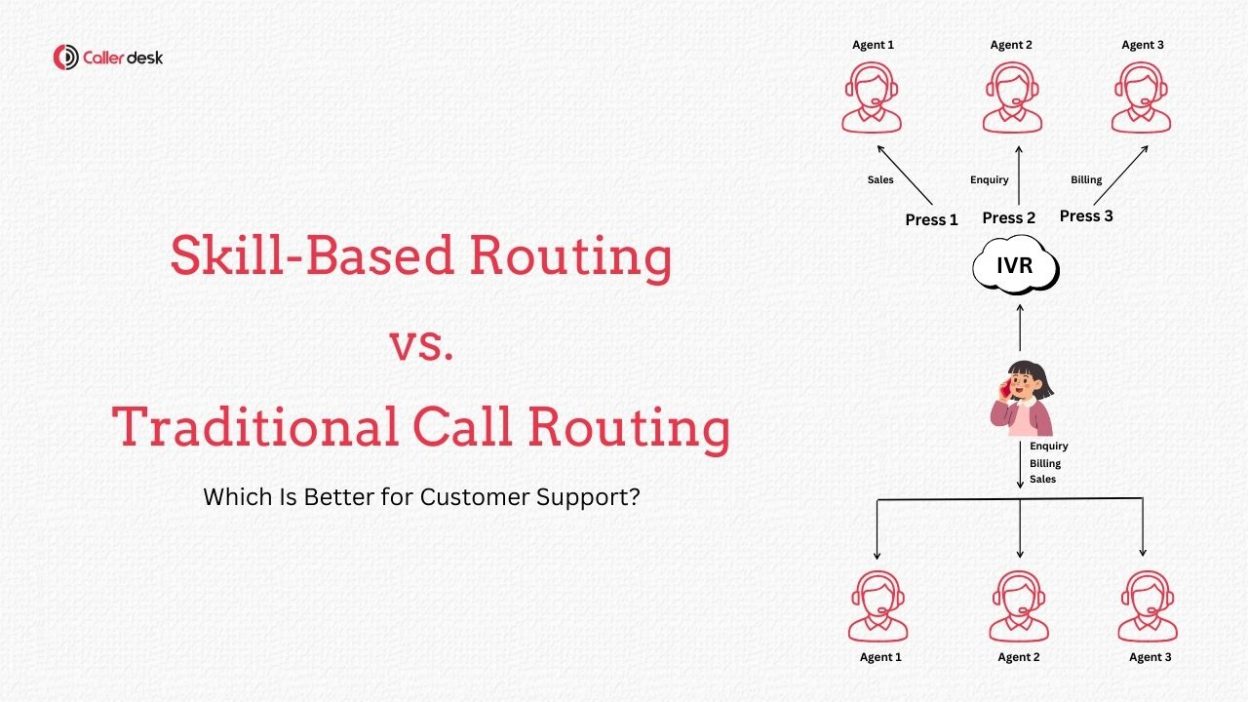
Traditional Call Routing is the older, rule-based way of distributing calls. Calls are assigned using simple logic such as:
- Round-robin (one-by-one)
- First available agent
- Time-based routing (shifts/working hours)
- Fixed queue routing (everyone in one line)
This approach mostly prioritizes availability. It does not actively check whether the agent is the best fit for the customer’s query. For small teams and simple query types, Traditional Call Routing can still work. The trouble usually starts when your support becomes more varied—multiple products, multiple languages, different issue types, or different customer segments.
What Is Skill-Based Routing?
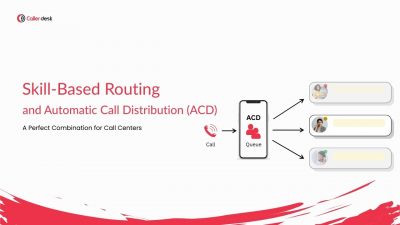
Skill-Based Routing is a smarter call distribution method used in modern cloud contact center setups. Instead of sending calls to whoever is free, the system routes calls based on agent capability.
In Skill-Based Routing, calls can be assigned using criteria like:
- Product expertise
- Language proficiency
- Technical knowledge
- Soft skills (for sensitive or escalated calls)
- Issue type or complexity
- Customer category (new user, paid user, VIP, etc.)
When done right, Skill-Based Routing reduces transfers, shortens resolution time, and improves the consistency of support.
Skill-Based Routing vs. Traditional Call Routing: The Real Difference
Here’s a practical comparison across the areas that matter in customer support.
1) Speed of Resolution
Traditional Call Routing:
Calls can land with an agent who doesn’t handle that issue. The agent tries, then transfers. The customer waits again. Resolution slows down.
Skill-Based Routing:
Calls reach a relevant agent faster, so the conversation starts at the right place. First-Call Resolution improves and Average Handle Time often drops.
Better choice: Skill-Based Routing
2) Customer Satisfaction
Traditional Call Routing:
Customers often repeat details, face longer holds, and experience multiple handoffs. That creates frustration, even if the final solution is correct.
Skill-Based Routing:
When the right agent picks up early, the customer experience feels smoother and more personal. Fewer repeats. Fewer transfers. Better outcomes.
Better choice: Skill-Based Routing
3) Agent Productivity
Traditional Call Routing:
Agents receive mixed call types. Time is spent figuring out unfamiliar issues or asking for internal help. That lowers efficiency.
Skill-Based Routing:
Agents handle calls that match their strengths. That improves confidence and speed. Work feels more manageable, and performance becomes easier to measure.
Better choice: Skill-Based Routing
4) Scalability as Teams Grow
Traditional Call Routing:
As you add agents, products, and regions, fixed routing rules get messy. Manual rule changes become frequent and error-prone.
Skill-Based Routing:
Cloud Call Centers make it easier to update skill groups, assign new capabilities, and adjust routing logic without breaking the flow.
Better choice: Skill-Based Routing
5) Handling Complex or Mixed Queries
Traditional Call Routing:
It works best when queries are similar. It struggles when support has multiple categories—billing, tech, onboarding, renewals, complaints.
Skill-Based Routing:
It’s built for complexity. Calls get routed based on the type of help needed, so specialized issues reach specialists faster.
Better choice: Skill-Based Routing
6) Operational Efficiency and Cost
Traditional Call Routing:
More transfers and longer calls increase workload. That pushes up staffing needs and operational cost over time.
Skill-Based Routing:
Better matching improves call flow and reduces wasted time. Over months, this can translate into real savings and more predictable operations.
Better choice: Skill-Based Routing
7) Technology Compatibility
Traditional Call Routing:
Many setups depend on legacy systems and rigid rules. Adding AI or automation is either difficult or limited.
Skill-Based Routing:
Cloud Call Centers can combine Skill-Based Routing with IVR, intent tagging, analytics, and automation. Routing improves as your system learns what works.
Better choice: Skill-Based Routing
When Traditional Call Routing Still Makes Sense
Traditional Call Routing isn’t “bad.” It’s just limited.
It can still work if:
- Your support team is small
- Query types are similar
- Product/service is simple
- You don’t handle high volumes
- You don’t need language or specialization-based support
If your business fits this model, Traditional Call Routing can be enough—at least for now.
Why Skill-Based Routing Is the Better Fit for 2026
Support teams are dealing with more complexity: more channels, higher expectations, and tighter response-time pressure. In that environment, Skill-Based Routing is less about “fancy routing” and more about making support predictable.
With Skill-Based Routing inside Cloud Call Centers, businesses can deliver:
- Faster resolutions
- Higher First-Call Resolution
- Fewer escalations
- Better agent utilization
- More consistent service quality
Conclusion: Which Routing Strategy Should You Choose?
If your support is simple and low-volume, Traditional Call Routing can still do the job. But once your team grows, queries diversify, or customer expectations rise, Traditional Call Routing starts showing its limits.
For most modern support teams, Skill-Based Routing is the stronger choice in 2026—especially inside Cloud Call Centers where routing, reporting, and workflow control are easier to manage.
If you want to build a support experience that feels faster and more reliable, consider moving to a cloud contact center approach that supports Skill-Based Routing. To explore how this works in a practical setup, check callerdesk at callerdesk.io.