
Summary
- 1 Summary
- 2 Introduction-
- 3 What Is a Ring Group?
- 4 Why Ring Groups Are Important for Businesses
- 5 Common Ring Group Strategies Used in Call Centers
- 6 How to Choose the Right Ring Group Strategy
- 7 Best Practices for Setting Up Ring Groups
- 8 Common Ring Group Mistakes to Avoid
- 9 Ring Groups in Cloud-Based Call Centers
- 10 Measuring Ring Group Performance
- 11 How Ring Groups Support Business Growth
- 12 Conclusion –
It explains the different ways Ring Groups can be set up, like ringing everyone together, passing calls one by one, rotating calls fairly, or changing routes based on time or shifts. More importantly, it shows where each approach actually fits in day-to-day business situations. The article also helps you figure out what works best for your call volume, team size, and how callers expect to be handled, while pointing out mistakes businesses often make without realising it. When Ring Groups are planned thoughtfully, calls get answered quicker, teams don’t feel overloaded, and customers reach the right person without unnecessary waiting.
Introduction-
For many businesses, phone calls are still the most direct way customers connect. A single call can turn into a sale, resolve a concern, or build long-term trust. But when calls keep ringing, reach the wrong person, or go unanswered, customers notice immediately. This is where a Ring Group becomes more than just a calling feature. It becomes a business necessity.
A Ring Group helps manage incoming calls in a clear and reliable way. Instead of depending on one person or manual call handling, calls are shared across a team using simple logic. For businesses operating through Call Centers and Cloud-Based Call Centers, this creates consistency, reduces missed calls, and keeps teams focused. In this blog, we will break down Ring Groups in a practical way and help you choose the right Ring Group strategy that fits how your business actually works.
What Is a Ring Group?
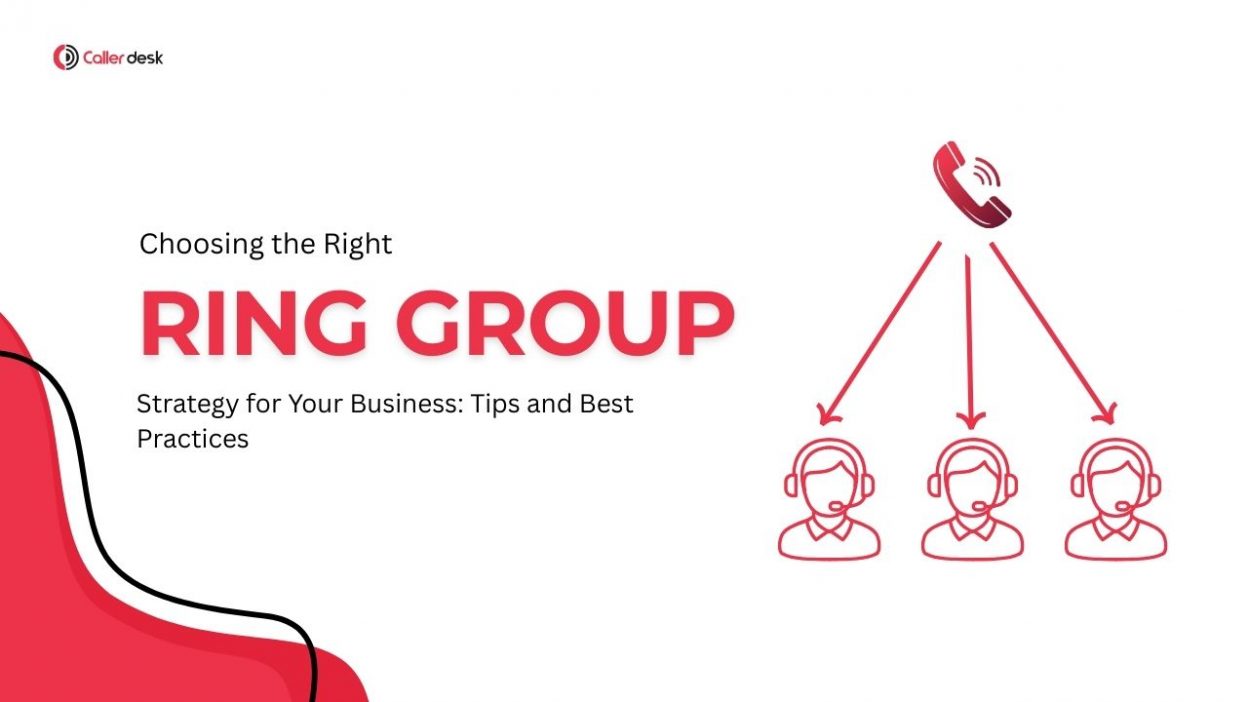
A Ring Group is a call routing setup where incoming calls ring multiple agents or extensions based on predefined rules. The goal is simple. Make sure calls are answered quickly without overloading one person.
In real Business environments, Ring Groups ensure:
- Calls are not missed when one agent is busy
- Workload is shared across the team
- Customers reach a live person faster
That is why Ring Groups are widely used in Call Centers where call handling needs to be structured and predictable.
Why Ring Groups Are Important for Businesses
Missed calls are costly. They can mean lost sales, unhappy customers, or delayed support. Without a Ring Group, call handling depends too much on individual availability.
A well-planned Ring Group helps businesses:
- Reduce missed and abandoned calls
- Improve response time during peak hours
- Balance call load across agents
- Maintain a professional customer experience
For Cloud-Based Call Centers, Ring Groups also allow quick adjustments as teams grow or call patterns change.
Common Ring Group Strategies Used in Call Centers
Different businesses need different Ring Group strategies. The right choice depends on call volume, team size, and customer expectations.
Simultaneous Ringing
In this setup, all agents in the Ring Group receive the call at the same time. The first person to answer takes the call.
This works well for:
- Small teams
- Sales enquiries
- Time-sensitive calls
It focuses on speed and quick pickup.
Sequential Ringing
Calls ring agents one after another in a fixed order. If the first agent does not answer, the call moves forward.
This strategy suits:
- Teams with a clear hierarchy
- Escalation-based workflows
- Departments with senior agents
Sequential ringing brings control and accountability.
Round Robin Ringing
Calls are distributed evenly among agents. Each new call goes to the next available agent in the Ring Group.
This is ideal for:
- Support teams
- Medium to large Call Centers
- Balanced workload management
Round Robin helps prevent agent fatigue and improves fairness.
Time-Based Ring Groups
In this approach, call routing changes based on business hours, shifts, or holidays.
This is useful for:
- Businesses running multiple shifts
- After-hours call handling
- Teams spread across locations
Time-based Ring Groups ensure calls are routed correctly at all times.
How to Choose the Right Ring Group Strategy
Choosing a Ring Group should be based on how your business operates daily.
Understand Your Call Volume
Look at how many calls you receive and when they peak. High-volume periods need Ring Groups that distribute calls efficiently. Low-volume periods may work with simpler setups.
Separate Calls by Purpose
Sales calls, support queries, and internal calls should not follow the same Ring Group logic. Creating separate Ring Groups for different call types improves efficiency and response quality.
Match Ring Groups With Team Size
Smaller teams usually benefit from simultaneous ringing. Larger teams perform better with round robin or time-based Ring Groups.
Aligning Ring Groups with team structure avoids confusion.
Think About the Caller Experience
Every Ring Group decision affects the customer. Long ringing or repeated transfers quickly create frustration.
A good Ring Group ensures:
- Faster connections
- Fewer unnecessary transfers
- Clear ownership of calls
Best Practices for Setting Up Ring Groups
Even the right strategy needs the right setup to work well.
Keep Ring Groups Simple
Overcomplicated call flows often cause delays and errors. Simple Ring Group rules are easier to manage and more reliable.
Use Agent Availability Correctly
Calls should only ring agents who are available. Routing calls to busy or offline agents wastes time and increases wait time.
Set Practical Ring Timings
Avoid long ringing cycles. Short, realistic ring durations keep calls moving and reduce caller frustration.
Always Have a Backup Option
Voicemail, IVR, or call forwarding ensures no call is completely lost during peak hours or staff shortages.
Review Ring Group Performance Regularly
As your business grows, your Ring Group strategy should evolve. Regular reviews help keep call handling efficient and relevant.
Common Ring Group Mistakes to Avoid
Many businesses use Ring Groups but do not get the full benefit.
Common mistakes include:
- Using one Ring Group for all departments
- Ignoring peak-hour call traffic
- Overloading the same agents repeatedly
- Not updating Ring Groups when teams expand
Avoiding these mistakes improves both customer satisfaction and agent productivity.
Ring Groups in Cloud-Based Call Centers
Cloud-Based Call Centers make Ring Groups easier to manage and scale. Changes can be made instantly without technical delays.
Key benefits include:
- Easy agent addition and removal
- Real-time call monitoring
- Quick scaling during business growth
- Centralised control over call routing
This flexibility makes Ring Groups a core feature of modern Call Centers.
Measuring Ring Group Performance
To understand whether your Ring Group is effective, track:
- Call answer rate
- Average waiting time
- Missed call percentage
- Call distribution across agents
These insights help refine your Ring Group strategy over time.
How Ring Groups Support Business Growth
A strong Ring Group strategy improves daily efficiency and long-term growth. Calls are answered faster, teams stay organised, and customers feel valued.
As businesses expand, Ring Groups scale without disruption. New agents and departments can be added easily, making Ring Groups a reliable long-term communication solution.
Conclusion –
Choosing the right Ring Group strategy helps businesses manage calls in a structured and professional way. It reduces missed calls, improves response times, and creates a smoother experience for both customers and teams.
For businesses running Call Centers or Cloud-Based Call Centers, Ring Groups should be a core part of the calling setup. When planned correctly, they bring clarity, balance, and scalability.
To implement flexible and reliable Ring Group strategies without complexity, businesses rely on CallerDesk. Visit callerdesk.io to explore smart call routing solutions built for real business communication.