
Summary-
- 1 Summary-
- 2 Introduction-
- 3 What Are Ring Groups in Cloud-Based Call Centers?
- 4 Why Ring Groups Matter in Call Centers
- 5 How Ring Groups in Cloud-Based Call Centers Work
- 6 Key Benefits of Ring Groups in Cloud-Based Call Centers
- 7 Ring Groups vs Traditional Call Routing
- 8 Use Cases of Ring Groups in Cloud-Based Call Centers
- 9 Best Practices for Using Ring Groups
- 10 Common Mistakes to Avoid
- 11 Measuring Ring Group Performance
- 12 How Ring Groups Support Business Growth
- 13 How CallerDesk Supports Ring Groups
- 14 Conclusion –
Most businesses don’t lose calls because customers stop calling. They lose them because no one picks up at the right time. One agent is busy, another is on a break, and the call just keeps ringing. Ring groups fix this quietly in cloud-based call centers. Instead of depending on a single person, calls are sent to a group of agents based on availability or a set order.
Someone always answers faster, workloads stay balanced, and customers don’t feel ignored. The setup is easy, works for remote teams, and scales naturally as call volumes grow without changing how teams already work.
Introduction-
Most customer calls fail for a simple reason they reach the wrong person or no one at all. It’s not always about poor service, often, it’s just bad call routing. In growing teams, relying on one agent or one desk number creates delays, missed calls, and unnecessary frustration for callers. That’s why Ring Groups in Cloud-Based Call Centers have quietly become a core setup for many businesses.
By routing calls to a group instead of an individual, ring groups make sure calls reach someone who is actually available. Whether it’s sales, support, or service teams, this approach keeps call handling steady, predictable, and efficient. In this blog, we’ll explain how ring groups work, where they fit best, and why Cloud-Based Call Centers depend on them for everyday communication.
What Are Ring Groups in Cloud-Based Call Centers?
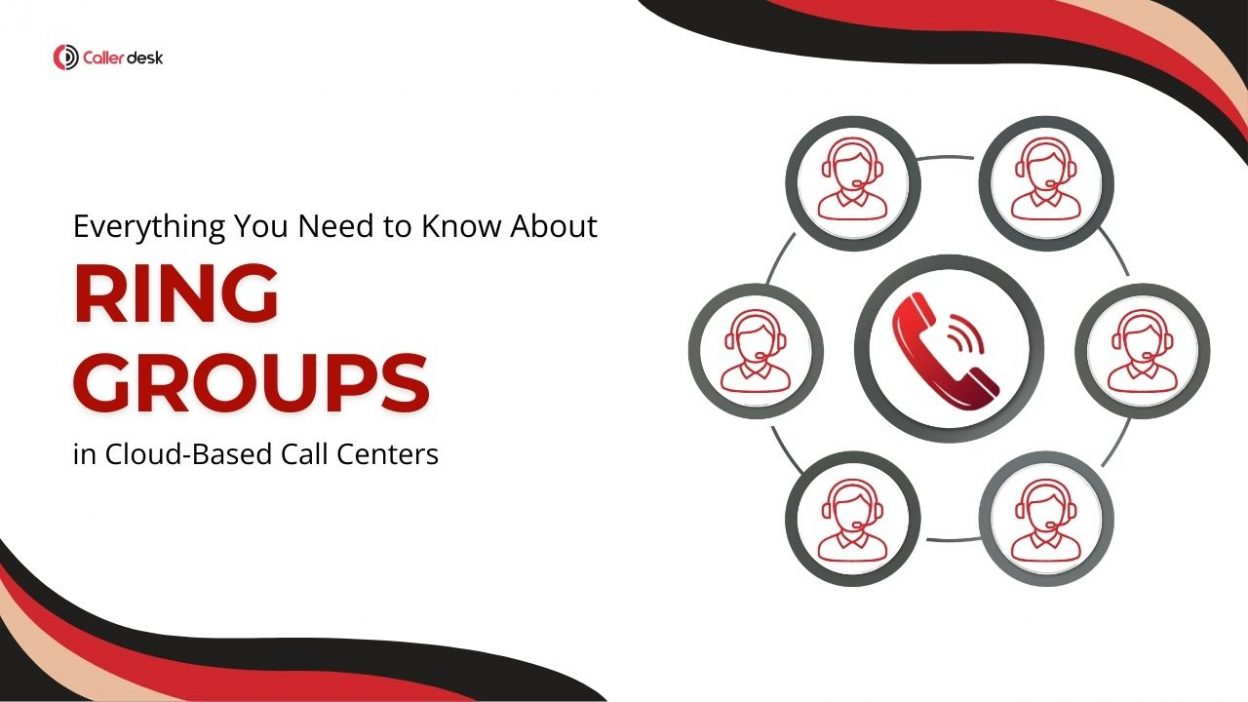
Ring Groups in Cloud-Based Call Centers are a call routing method where incoming calls ring multiple agents instead of just one number. These agents are grouped based on departments, skills, or availability.
When a call comes in, the system sends it to the ring group instead of a single phone. The call connects to the agent who answers first. If one agent is busy, another can pick up. This simple logic prevents missed calls and reduces customer frustration.
For modern Call Centers, ring groups bring flexibility and remove the risk of calls getting stuck with unavailable agents.
Why Ring Groups Matter in Call Centers
Handling calls manually or routing them to fixed numbers no longer works at scale. Ring Groups in Cloud-Based Call Centers solve everyday problems that most Call Centers face.
They help by:
- Reducing call waiting time
- Preventing call drop-offs
- Sharing workload across agents
- Improving first response rate
Instead of callers hearing endless ringing or voicemail, ring groups give them faster access to real people. This improves trust and keeps customers engaged.
How Ring Groups in Cloud-Based Call Centers Work
The logic behind Ring Groups in Cloud-Based Call Centers is simple and practical. First, agents are added to a ring group. Then, a ringing rule is selected based on how calls should be handled.
Common ringing methods include:
- Simultaneous Ringing – All agents ring together
- Sequential Ringing – Agents ring one after another
- Round Robin – Calls rotate evenly
- Longest Idle – The free agent gets priority
If no one answers within the set time, the call can move to voicemail, another ring group, or an IVR menu. This ensures no call is wasted, even during busy hours.
Key Benefits of Ring Groups in Cloud-Based Call Centers
Faster Call Connection
Ring Groups in Cloud-Based Call Centers increase the chances of calls being answered quickly because multiple agents are alerted at once.
Fewer Missed Calls
If one agent is unavailable, another can answer. This keeps missed calls to a minimum.
Fair Work Distribution
Calls are spread evenly across the team, avoiding overload on a single agent.
Better Customer Experience
Customers don’t need to call again and again. Calls are handled smoothly, which creates a professional image.
Easy Team Expansion
New agents can be added to ring groups instantly as teams grow.
Ring Groups vs Traditional Call Routing
Traditional call routing usually depends on one desk or one phone number. If that person is unavailable, the call goes unanswered. Ring Groups in Cloud-Based Call Centers remove this risk completely.
| Feature | Traditional Routing | Ring Groups |
| Call Handling | One agent | Multiple agents |
| Missed Calls | Common | Rare |
| Scalability | Low | High |
| Flexibility | Limited | Strong |
For Call Centers handling high volumes, ring groups are clearly more reliable.
Use Cases of Ring Groups in Cloud-Based Call Centers
Sales Teams
Sales calls can ring all available executives, ensuring leads are handled immediately.
Customer Support Teams
Support calls reach the next available agent, reducing wait time and improving resolution speed.
Appointment-Based Businesses
Clinics, service providers, and consultants use ring groups to manage bookings without confusion.
Remote Teams
Ring Groups in Cloud-Based Call Centers work perfectly for agents working from different locations.
Best Practices for Using Ring Groups
To get the best results from Ring Groups in Cloud-Based Call Centers, setup matters.
- Create separate groups for sales, support, and service
- Select ringing rules based on team size
- Set reasonable ring durations
- Monitor missed call reports
- Adjust groups based on shifts
Small adjustments can make a big difference in call handling quality.
Common Mistakes to Avoid
Some common mistakes reduce the effectiveness of Ring Groups in Cloud-Based Call Centers.
- Adding too many agents in one group
- Ignoring agent working hours
- Using the same ring rule for all teams
- Not checking call reports
Avoiding these mistakes keeps ring groups efficient and predictable.
Measuring Ring Group Performance
Tracking performance helps improve Ring Groups in Cloud-Based Call Centers over time. Useful metrics include:
- Average call answer time
- Missed call percentage
- Agent availability
- Call distribution balance
Cloud reporting tools make it easy to review data and optimize call flows.
How Ring Groups Support Business Growth
As businesses grow, call volumes increase. Ring Groups in Cloud-Based Call Centers allow teams to scale without affecting customer experience.
They help businesses:
- Handle peak-hour traffic
- Support growing teams
- Manage multiple locations
- Maintain service consistency
Ring groups quietly support growth without adding complexity.
How CallerDesk Supports Ring Groups
CallerDesk offers flexible ring group features designed for modern Cloud-Based Call Centers. Teams can create multiple ring groups, control call routing rules, and track performance through simple dashboards.
CallerDesk helps businesses manage calls efficiently while keeping operations smooth and organized.
Conclusion –
Ring Groups in Cloud-Based Call Centers play a practical role in day-to-day call management. They reduce missed calls, improve response time, and keep workloads balanced across teams. Instead of relying on one agent, businesses can handle calls more reliably using ring groups.
For Call Centers that value consistency and customer satisfaction, this feature is essential. If you’re planning to improve call handling and build a scalable call setup, explore how CallerDesk can help. Visit callerdesk.io and take a smarter approach to business communication.