

Summary-
- 1 Summary-
- 2 Introduction-
- 3 1. Browser-Based Calling That Feels Natural
- 4 2. Less Infrastructure, Fewer Ongoing Costs
- 5 3. Designed for Cloud Telephony Workflows
- 6 4. Consistent Call Quality in Real Situations
- 7 5. Security That Works in the Background
- 8 Why Integrating WebRTC Fits Growing Businesses
- 9 Conclusion –
When businesses start using WebRTC inside their communication systems, the change is mostly felt in everyday work, not in features. Calls no longer depend on desk phones or installed tools. People just click and talk, whether they are inside a CRM, a support panel, or a browser tab. That alone removes a lot of small friction that usually wastes time. Since calls run over the internet, teams don’t need heavy setups and scaling feels simpler as headcount increases. Even for remote agents, call quality stays usable in real conditions. Security doesn’t interrupt the flow either, as encryption works quietly in the background. Overall, WebRTC makes calling easier to run, not harder to manage.
Introduction-
Business communication doesn’t fail because of technology. It fails because tools slow people down. Customers hesitate when calling feels complicated. Teams lose momentum when systems demand extra steps. That’s exactly why Integrating WebRTC is now seen as a practical upgrade for modern Communication Systems.
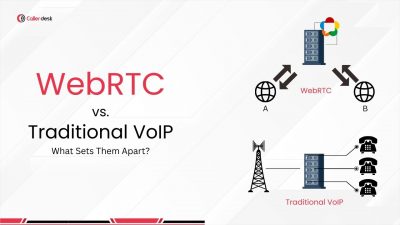
WebRTC, or Web Real-Time Communication, allows voice and video calls to run directly inside browsers and applications. There’s nothing to install and nothing extra to manage. When businesses begin Integrating WebRTC into Cloud Telephony environments, calling becomes lighter, faster, and far easier to control.
The biggest advantage is that WebRTC doesn’t force a new way of working. It simply fits into existing workflows. Below, we’ll break down the five real benefits of Integrating WebRTC and why it makes sense for businesses relying on modern Communication Systems.
1. Browser-Based Calling That Feels Natural
The first thing teams notice after Integrating WebRTC is how simple calling becomes. Traditional systems often involve desk phones, installed software, or browser plugins. Each extra requirement adds friction.
WebRTC removes those layers. Calls start directly from a browser or app, without preparation.
In everyday business use
- Customers call straight from websites
- Sales teams connect from CRM screens
- Support agents work without device switching
By Integrating WebRTC into Communication Systems, businesses shorten the distance between intent and conversation. That alone improves response time and experience.
2. Less Infrastructure, Fewer Ongoing Costs
Physical telephony setups come with long-term commitments. Hardware, wiring, upgrades, and maintenance don’t just cost money. They slow down change.
Integrating WebRTC shifts communication to the internet and works cleanly with Cloud Telephony platforms.
Practical cost impact
- No desk phones or PBX dependency
- Lower maintenance requirements
- Easier scaling as teams grow
When businesses focus on Integrating WebRTC, communication costs become predictable instead of reactive.
3. Designed for Cloud Telephony Workflows
Modern Communication Systems are not standalone tools. Calls need to connect with CRMs, analytics platforms, and support software. Integrating WebRTC supports this without forcing complex integrations.
WebRTC is API-friendly and cloud-ready. Combined with Cloud Telephony, it enables click-to-call, automatic call logging, and real-time visibility.
What teams gain
- Calls handled from one dashboard
- Call activity recorded automatically
- Clear performance insights for managers
Platforms like CallerDesk use WebRTC-based calling to keep communication centralized, measurable, and easy to manage.
4. Consistent Call Quality in Real Situations
Call quality issues don’t always show up in demos. They appear during peak hours, remote work, or unstable networks. Integrating WebRTC helps handle these situations better.
WebRTC adjusts to network conditions in real time, prioritising clarity over complexity.
Performance benefits teams notice
- Lower delay during live conversations
- Clearer audio across locations
- Stable calling for remote users
By Integrating WebRTC into Communication Systems, businesses reduce call disruptions without adding technical overhead.
5. Security That Works in the Background
Business calls often involve sensitive information. Security can’t be optional, but it also shouldn’t complicate workflows. Integrating WebRTC balances both.
WebRTC encrypts voice and video streams by default. This happens quietly, without extra configuration.
Security advantages
- Encrypted real-time communication
- Safer browser-based calling
- Better readiness for compliance needs
When paired with Cloud Telephony platforms, integrating WebRTC keeps communication secure without slowing teams down.
Why Integrating WebRTC Fits Growing Businesses
As teams spread across locations and customer expectations rise, Communication Systems must stay flexible. Integrating WebRTC allows businesses to adapt without rebuilding everything from scratch.
It reduces reliance on hardware, supports cloud-first operations, and keeps real-time communication reliable. Whether used for sales, support, or internal coordination, WebRTC strengthens communication without adding noise.
Together with Cloud Telephony, Integrating WebRTC forms a stable base for long-term business communication.
Conclusion –
Integrating WebRTC into Communication Systems brings practical improvements that show up in daily work. Browser-based calling, lower infrastructure costs, smooth Cloud Telephony integration, reliable call quality, and built-in security all contribute to better communication outcomes.
For businesses planning to modernise their calling setup, the platform matters as much as the technology. Solutions like CallerDesk combine WebRTC with robust Cloud Telephony capabilities to help teams communicate clearly and scale confidently. To see how this approach fits your business, visit callerdesk.io and explore a simpler way to manage real-time communication.